• Crystallized Human Form with Sci-Fi Aesthetics

    A surreal depiction of a humanoid figure encrusted with glowing crystals and iridescent minerals, radiating in vibrant hues of neon orange, green, and magenta. This futuristic artwork merges artificial intelligence and photography to explore identity and transformation through digital imagination. Created by Duncan Rawlinson, the piece evokes curiosity and awe with its intricate textures and hyper-synthetic atmosphere.

    Duncan.co/crystallized-human-form-with-sci-fi-aesthetics

    Buy a print

  • Backlot Mix

    This scene captures a curious backlot where utilitarian metal siding meets worn brick and newer commercial additions. The juxtaposition of materials and eras hints at a quiet evolution of purpose. Parked vehicles and boarded windows suggest both use and neglect in this small urban corner. Photographed by Duncan Rawlinson, the image reveals beauty in overlooked, in-between spaces.

    Duncan.co/backlot-mix

    Buy a print

  • Autumn Aerial View of Islands in the Thousand Islands

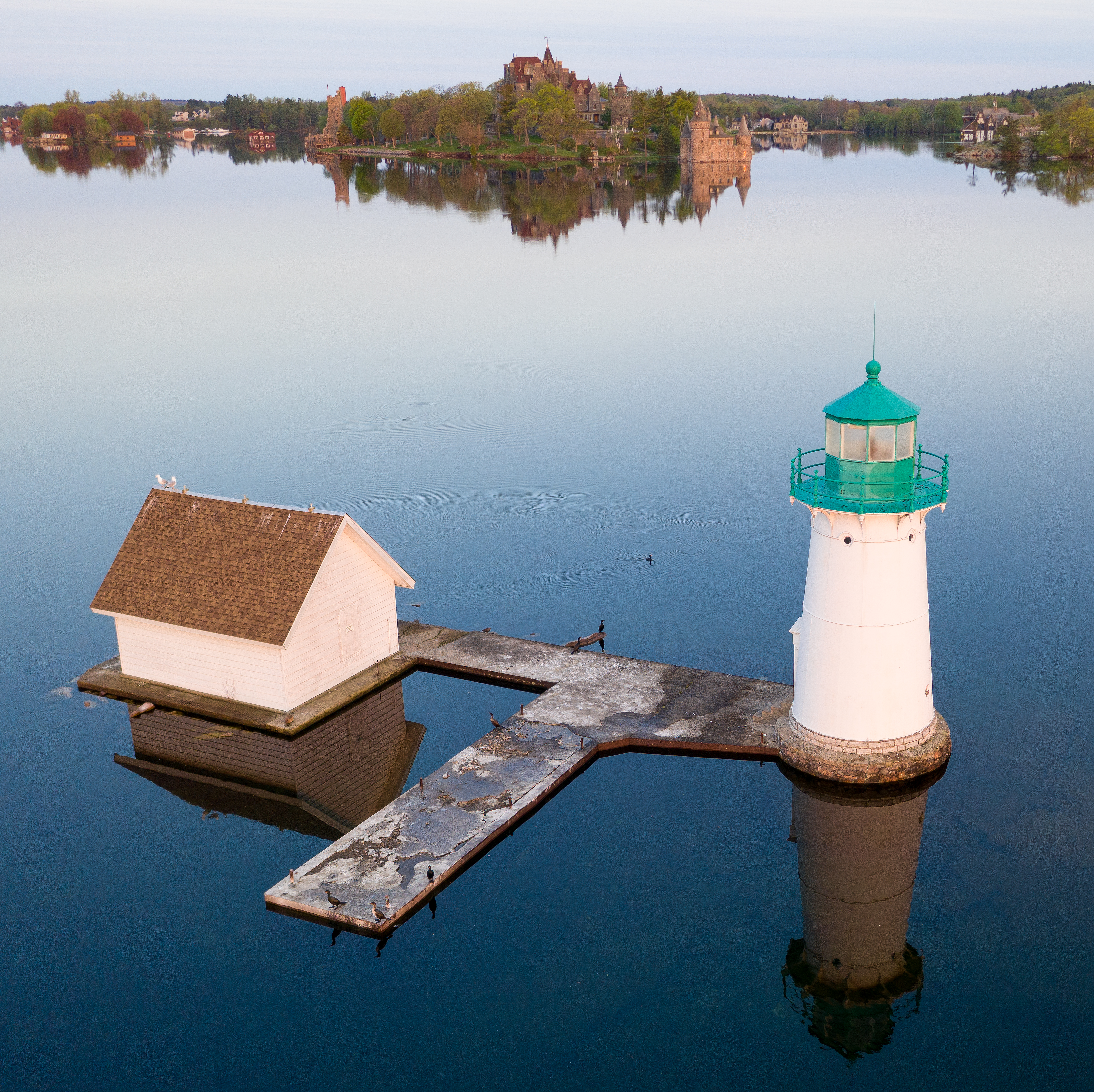
    Photographed by Duncan Rawlinson, this aerial view captures Robert, Peel, Rough, and Bagot Islands during peak autumn in the Thousand Islands region of Ontario, Canada. The islands are surrounded by the calm, clear waters of the St. Lawrence River. Vibrant fall foliage covers the landscape, with cottages, boathouses, and docks tucked among the trees. The crisp air and warm tones of the season bring a sense of peaceful isolation to this remote river setting.

    Duncan.co/autumn-aerial-view-of-islands-in-the-thousand-islands

    Buy a print

  • Melt Patch on Snowy Trail

    A dark melt patch interrupts the smooth, snowy surface of the Cataraqui Trail in Ontario, Canada. This subtle moment captures the transition from winter’s grip to the first signs of thaw, forming a naturally abstract pattern. The quiet simplicity and sharp contrast in texture evoke the stark beauty of the season. Created by Duncan Rawlinson, this photograph invites reflection on the fleeting and fragile nature of winter landscapes.

    Duncan.co/melt-patch-on-snowy-trail

    Buy a print

  • White Poppies Illuminated in a Dark Valley

    A focused beam of light reveals a hillside blanketed with white poppies and clusters of yellow wildflowers, set against the dark, rolling hills beneath a moody sky. The interplay of light and shadow creates a peaceful, mysterious atmosphere, drawing the eye to the delicate details of the field. This image was created by Duncan Rawlinson using a blend of photography and artificial intelligence.

    Duncan.co/white-poppies-illuminated-in-a-dark-valley

    Buy a print

  • Dried Reeds in Natural Light

    A dense cluster of tall, dried reeds fills the frame in this black and white photograph created by Duncan Rawlinson. Their feathery plumes catch the sunlight, creating a striking contrast against the dark, blurred background. Captured in the 1000 Islands region of Ontario, Canada, the image emphasizes the subtle textures and tones of natural vegetation in bright daylight. This contemplative scene highlights the elegance of dried plants in a windswept, open landscape.

    Duncan.co/dried-reeds-in-natural-light

    Buy a print

  • Mother Duck Watches Over Her Ducklings

    A mother mallard calmly surveys her brood as six tiny ducklings paddle through gentle waves, each exploring the water with innocent curiosity. The choppy lake surface shimmers under soft sunlight, adding motion and depth to this intimate wildlife scene. Created by Duncan Rawlinson, this photograph captures a tender moment of care and instinct, as a watchful parent gently guides her young through their watery world.

    Duncan.co/mother-duck-watches-over-her-ducklings

    Buy a print

  • Small Island Lost in the Mist

    A small island drifts in and out of sight as morning mist blankets the Thousand Islands. A lone maple, its fiery autumn leaves glowing against the evergreens, clings to the rocky shoreline, a vivid burst of color in the quiet isolation. The still water mirrors the hush of the moment, as if time itself has paused. Captured by Duncan Rawlinson, this ethereal scene embodies the fleeting beauty of fall and the solitude of a hidden island retreat.

    Duncan.co/small-island-lost-in-the-mist

    Buy a print

  • Curved Plow Lines in the Golden Fields of Palouse

    Rolling hills of the Palouse stretch across the frame in a mesmerizing display of curves and textures, where golden wheat stubble contrasts with freshly turned earth. A lone farmstead nestles quietly near the horizon, dwarfed by the scale of the sweeping agricultural patterns. Photographed from Steptoe Butte, this scene was created by Duncan Rawlinson and captures the region’s unique beauty and rhythm during late summer harvest.

    Duncan.co/curved-plow-lines-in-the-golden-fields-of-palouse

    Buy a print

  • DJI Mavic 4 Pro: Early Impressions from the Field

    I’ve been playing with the DJI Mavic 4 Pro. It’s still too early for a full review which I probably won’t ever do, but here are some first impressions. There are a few big wins and minor quirks I’ve noticed.

    Here are three full-resolution sample JPEG images captured using each of the DJI Mavic 4 Pro’s lenses from the same location. Click to open each in a new tab. The only tweak I made was setting white balance to cloudy in post. There are no other changes to the JPEGs.

    Download the RAW (DNG) files: Image 1 (132 MB), Image 2 (64 MB), Image 3 (69 MB).


    🟢 What’s Impressive So Far

    🟢 Main Camera Performance

    The upgraded 4/3″ sensor is the real highlight. DJI claims 16 stops of dynamic range and better low-light capability, and honestly, it delivers. The image is sharp, clean, and flexible. Shooting at 6K60, 4K120, or capturing stills at up to 100MP gives me more flexibility than ever. The jump from f/2.8 to f/2.0 on the main lens also makes a visible difference. Higher dynamic range is a big deal, and now all lenses actually produce usable images. That wasn’t true on the Mavic 3 Pro.

    🟢 Super Telephoto is Now Usable

    The 168mm lens finally feels like a proper creative tool. It’s sharper, brighter (f/2.8 vs. f/3.5), and supports DLOG. I used to avoid the M3P’s long lens. Now I will actually use it.

    🟢 Gimbal Innovation

    The Infinity Gimbal is wild. Full 360 degree rotation, vertical mode support, and upward tilt up to 70 degrees unlock shots I simply couldn’t get before.

    🟢 Streamlined Flight Workflow

    Unfold the drone and it powers on. Open the controller and it does the same. The RC2 Pro controller is intuitive, bright (2,000 nits), and the flip-up screen with built-in joysticks saves time. It’s the fastest drone I’ve ever deployed.

    🟢 Smarter Tracking and Obstacle Avoidance

    It tracks birds, cars, and people with more confidence, and the low-light sensors make obstacle avoidance far more reliable, even in forested or dim environments. The Lidar scanner on the front arm is neat but I’m not sure how useful it is because honestly I don’t exactly know how it works haha!

    🟢 Battery System and Charging Design

    Real-world flight time has been close to 40 minutes for me. The 240W charger can fill 3 batteries in 90 minutes, and USB-C support means I can top off with a laptop charger if I’m packing light.

    The new multi-battery charger is awesome. Batteries don’t fall out anymore. It can even transfer power between batteries, so if two are low, you can charge the third with them. And it doubles as a USB battery pack. The only downside is you need a special power cable to hit the full 240W charging rate, and DJI doesn’t include it. Without that fancy (expensive) cable, you’re stuck on USB-C charging speeds which is quite stupid IMHO.

    Also worth noting: the 240W charger is not just pricey — it’s heavy. It adds noticeable bulk to your gear bag, which kind of defeats the purpose if you’re trying to travel light. Between the cost, the required proprietary cable, and the weight, it’s very much a power-user accessory rather than a default carry.

    🟢 Field Charging and Flight Loop Potential

    Here’s something wild: if you have 4 batteries total (1 in the drone and 3 in the charger), and you’re using the 240W charger with full-speed power, you might never run out. I haven’t tested this yet, but rough math tells me the charger is fast enough that by the time you drain one battery flying, another will be fully recharged and ready to go.

    That assumes you’re not flying in crazy heat and that you’ve got a proper power source for 240W. But if it holds up, it’s basically unlimited flight time in the field. This is my setup.

    🟢 Flight Feel and Noise

    It flies faster, handles wind better, and just feels more locked-in. It’s also noticeably quieter, more of a low hum than a buzz. This is a huge win and makes the unit feel less annoying to people nearby. I think the propellers are larger, which might be helping both noise and flight efficiency.


    🟥 A Few Early Drawbacks

    🟥 It’s Bigger and Heavier

    Feels a bit bigger and chunkier overall. Hard to say exactly by how much since I don’t have my Mavic 3 Pro on hand anymore to compare directly. But it takes up more space in my kit, and you notice it in-hand.

    🟥 Gimbal Limitations in Vertical Mode

    When the gimbal rotates for vertical shooting, tilt movement becomes limited. It’s fine for basic shots but restricts more advanced movement.

    🟥 No ProRes Support

    This may not matter to everyone, but if you’re used to the Mavic 3 Cine’s ProRes workflow, it’s a step back. All-I and H.265 are solid, but still a tradeoff.

    🟥 Audio Isn’t There Yet

    The controller mic and DJI Mic integration are thoughtful, but audio quality is mediocre. It’s good for reference, not production use. Still no timecode support either.

    🟥 Still Feels Consumer-Grade in the UI

    Despite being a Pro model, there’s no waveform, no shutter angle, and many settings are buried deep. I wish DJI treated this like a camera tool, not just a drone.

    🟥 Telephoto Lenses Still Lag Behind

    Even with upgrades, the smaller-sensor zoom lenses still feel more like smartphone cameras than cinema tools. The image quality drop-off is real if you look closely.

    🟥 That Plastic Lens Cover

    The plastic lens cover thing is still annoying and stupid. I don’t know why they haven’t redesigned it completely or found some other solution. It feels like an afterthought and it bothers me every time I take it off or put it back on. This could be an issue with early models but mine doesn’t even seem to fit perfectly.

    Final Thoughts (So Far)

    It’s still early, but the Mavic 4 Pro feels like a clear upgrade from the Mavic 3 Pro. It’s more refined, more capable, and more fun to fly. The new camera system is the standout, and the new gimbal opens up creative possibilities that weren’t possible before. If you are into vertical video you will love it. I for one will never be a vertical video guy. I simply refuse to update my outdated mindset!

    That said, some limitations still linger. Audio, UI tools, and the lack of ProRes might frustrate high-end video shooters. But for most creators and aerial photographers, the drone is a big leap forward.

    More to come (unlikely) once I’ve had time to push it further and test it across a few different environments. For now, though, I’m very impressed.